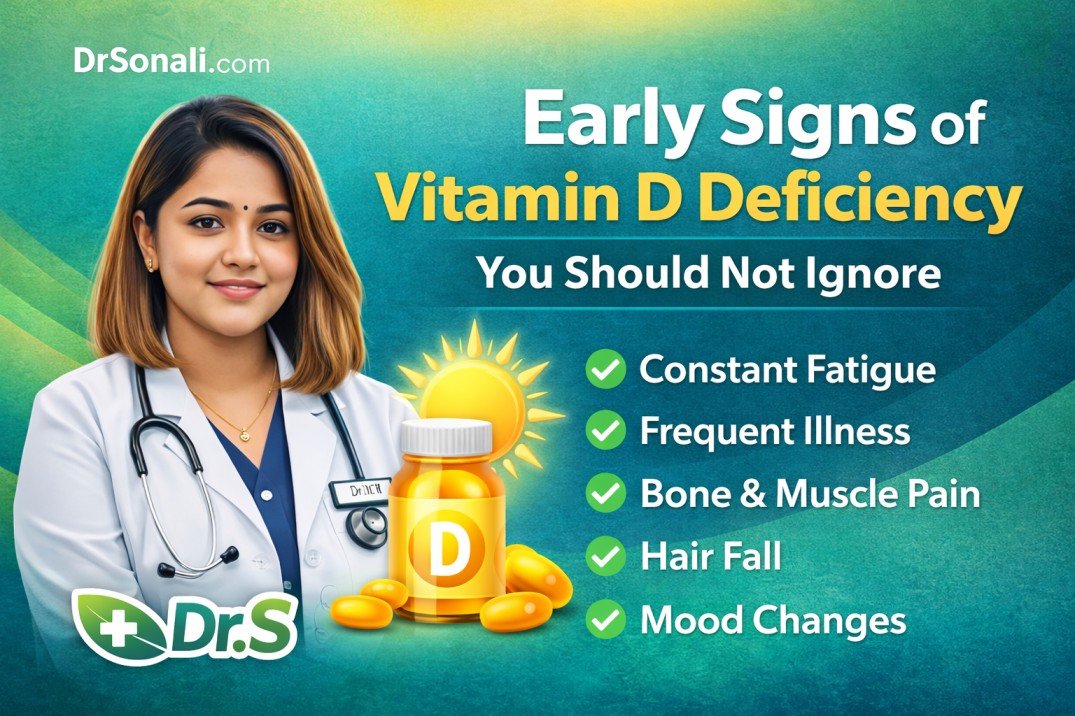
Vitamin D plays a crucial role in maintaining overall health, yet vitamin D deficiency is becoming increasingly common worldwide. Many people live with low vitamin D levels without realizing it, as the symptoms often develop slowly and are easy to ignore.
In this article, we will discuss the early signs of vitamin D deficiency, why it happens, who is at risk, and when you should consider seeking medical advice. Understanding these signs early can help you take better care of your health.
What Is Vitamin D and Why Is It Important?
Vitamin D is a fat-soluble vitamin that helps the body absorb calcium and phosphorus. It plays an essential role in maintaining strong bones, supporting muscle function, boosting immunity, and contributing to overall physical and mental well-being.
Our body produces vitamin D naturally when exposed to sunlight. It can also be obtained through certain foods and supplements. However, modern lifestyles, limited sun exposure, and dietary habits have made vitamin D deficiency a widespread issue.
Early Signs of Vitamin D Deficiency
The early symptoms of vitamin D deficiency are often subtle. Many people mistake them for daily stress or aging-related issues. Below are some common early warning signs that should not be ignored.
1. Constant Fatigue and Low Energy
Feeling tired even after getting enough sleep may be an early sign of low vitamin D levels. Vitamin D plays a role in energy production, and deficiency can make you feel exhausted throughout the day.
2. Frequent Illness or Weak Immunity
Vitamin D supports the immune system. If you catch colds or infections frequently, it may indicate vitamin D deficiency. Low levels can reduce your body’s ability to fight off common infections.
3. Bone Pain and Back Pain
One of the most common early signs of vitamin D deficiency is bone discomfort. You may experience mild pain in the lower back, joints, or bones, which can worsen over time if ignored.
4. Muscle Weakness and Body Aches
Muscle pain or weakness without a clear cause can be linked to low vitamin D. This symptom is often overlooked but may affect daily activities and mobility.
5. Mood Changes and Feeling Low
Vitamin D is linked to brain health and mood regulation. Low levels may contribute to mood swings, irritability, or feelings of sadness, especially during long periods without sunlight exposure.
6. Hair Fall
Excessive hair fall can be associated with vitamin D deficiency. While hair loss can have multiple causes, low vitamin D levels may play a role in weakening hair follicles.
7. Slow Healing of Wounds
If cuts or wounds take longer than usual to heal, it could be a sign of vitamin D deficiency. Vitamin D helps in cell growth and tissue repair.
Common Symptoms at a Glance
| Symptom | Possible Connection to Vitamin D Deficiency |
|---|---|
| Fatigue | Reduced energy production in the body |
| Bone Pain | Poor calcium absorption |
| Muscle Weakness | Impaired muscle function |
| Frequent Illness | Weakened immune response |
| Mood Changes | Effect on brain and mood regulation |
Who Is at Higher Risk of Vitamin D Deficiency?
Certain groups are more likely to experience vitamin D deficiency:
- People with limited sun exposure
- Individuals who stay indoors most of the day
- Older adults
- People with darker skin tones
- Women, especially during pregnancy
- Individuals with poor dietary intake
Common Causes of Low Vitamin D Levels
Several factors can contribute to vitamin D deficiency:
- Lack of sunlight exposure
- Use of excessive sunscreen
- Diet low in vitamin D-rich foods
- Digestive issues affecting absorption
- Certain medical conditions
How Vitamin D Deficiency Is Diagnosed
Vitamin D deficiency is usually diagnosed through a simple blood test that measures the level of vitamin D in your body. A healthcare professional can guide you based on the test results.
General Lifestyle Tips for Better Vitamin D Levels
The following general tips may help support healthy vitamin D levels:
- Spend some time in natural sunlight regularly
- Maintain a balanced and nutritious diet
- Follow a healthy daily routine
- Consult a healthcare professional if symptoms persist
When Should You See a Doctor?
If you experience multiple symptoms such as persistent fatigue, bone pain, frequent illness, or mood changes, it is advisable to consult a qualified healthcare professional. Early diagnosis can help prevent long-term complications.
Important Medical Disclaimer
The information provided in this article is for educational and informational purposes only. It is not intended as a substitute for professional medical advice, diagnosis, or treatment.
Always consult a qualified healthcare provider before making any health-related decisions or changes to your lifestyle.
Final Thoughts
Vitamin D deficiency often goes unnoticed until symptoms become severe. Paying attention to the early signs of vitamin D deficiency can help you take timely action and support your overall well-being.
Small lifestyle changes and proper medical guidance can make a significant difference. Stay informed, stay aware, and take care of your health.